
 By admin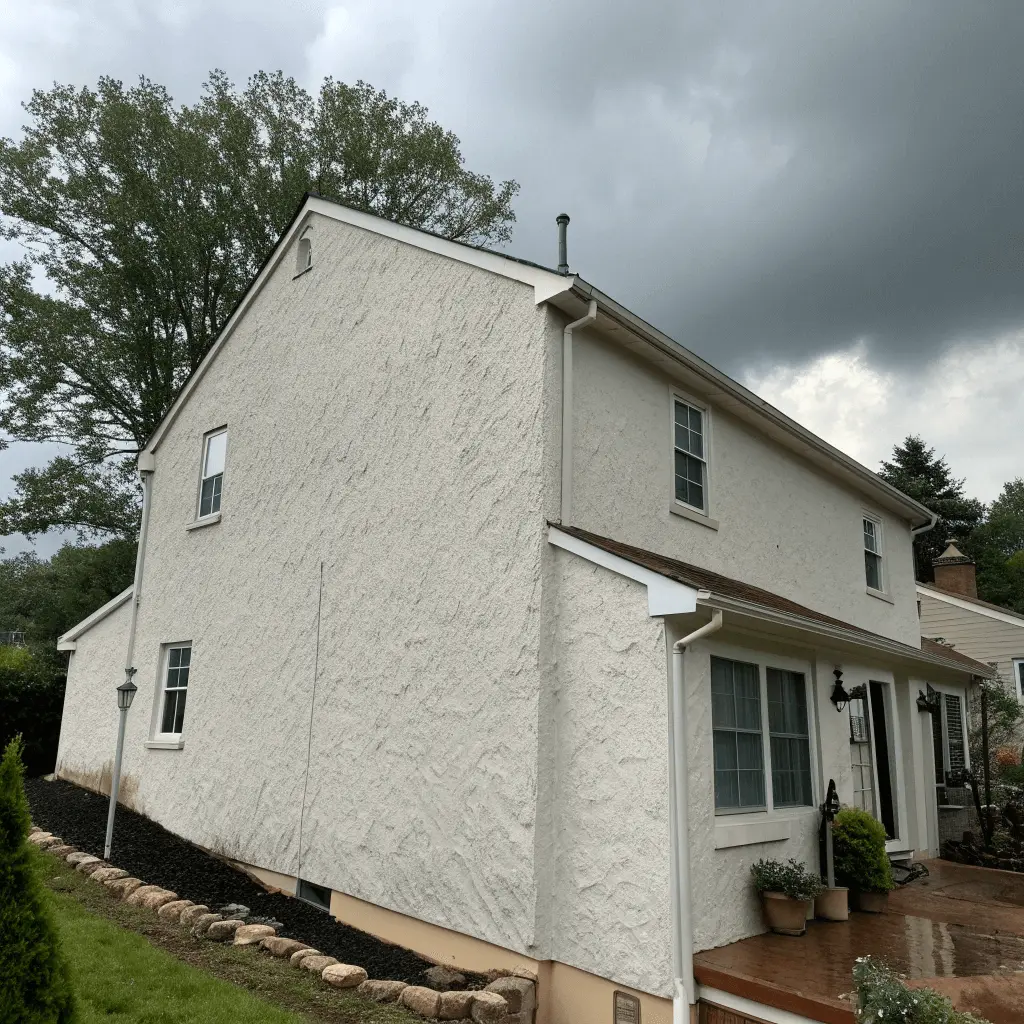
Pennsylvania homes take a beating from the weather. One season brings heavy rain. The next delivers snow, ice, and repeated freeze–thaw cycles. Add humidity, wind-driven storms, and sharp temperature swings, and it becomes clear why exterior protection is not optional—it’s essential.
Stucco has long been used as a durable exterior finish, but in climates like Pennsylvania’s, it serves a much more critical role. When properly installed and maintained, stucco acts as a protective system that shields homes from moisture, temperature stress, and long-term structural damage.
Pennsylvania’s Harsh Weather: What Homes Are Up Against
Pennsylvania sits in a climate zone that tests building materials year-round. Homes here must withstand prolonged exposure to moisture, cold winters, and unpredictable seasonal shifts.
Rainfall is frequent and often heavy. Wind-driven rain can push water into small gaps and weak points in exterior walls. During winter, temperatures fluctuate above and below freezing, causing materials to expand and contract repeatedly. This freeze–thaw cycle is one of the most damaging forces for exterior surfaces.
Humidity adds another layer of risk. Moisture that becomes trapped inside wall assemblies can lead to mold growth, wood rot, and insulation failure. Over time, these issues compromise not just appearance, but structural integrity.
Exterior materials must do more than look good. They must actively manage water, temperature, and air movement.
How Stucco Protects Homes from Weather Damage
Stucco creates a hard, continuous exterior surface that resists many of the stresses Pennsylvania weather delivers. Unlike segmented siding materials, stucco forms a solid outer shell with fewer seams and joints where water can enter.
When installed as part of a proper wall system, stucco helps deflect rain and snow while reducing air infiltration. It also adds mass to the building envelope, which helps regulate indoor temperatures. This thermal stability matters during cold winters and hot, humid summers.
Stucco is also naturally fire-resistant and does not rot or attract insects. Its durability allows it to last for decades when maintained correctly, making it a practical long-term solution rather than a cosmetic upgrade.
Stucco and Moisture Control in Pennsylvania Homes
Modern stucco systems are designed to manage moisture, not trap it. This distinction is critical. Stucco itself is not waterproof, but it works as part of a layered system that includes weather-resistant barriers, flashing, and drainage planes.
Properly installed stucco allows walls to breathe. Moisture vapor can escape, while bulk water is directed away from the structure. This balance helps prevent condensation buildup inside wall cavities, a common issue in humid climates.
In Pennsylvania, moisture control is non-negotiable. Homes that lack proper drainage behind stucco are far more likely to experience hidden damage, even if the exterior surface looks intact.
Common Stucco Problems Caused by Weather Exposure
Even durable materials have limits. Over time, exposure to harsh conditions can reveal weaknesses, especially if the stucco was poorly installed or lacks proper moisture management.
Cracks may form due to freeze–thaw cycles or structural movement. While small cracks are common, they can become entry points for water. Once moisture gets behind the stucco, it can damage sheathing, framing, and insulation.
Other warning signs include staining, bubbling, soft spots, or mold odors inside the home. These symptoms often indicate deeper issues that are not visible from the surface alone.
Ignoring these signs allows damage to spread quietly—and expensively.
Stucco Remediation: Fixing Damage Before It Spreads
Stucco remediation goes beyond surface repairs. It addresses the root causes of failure rather than masking symptoms. This is especially important for properties requiring stucco remediation in Blue Bell, PA, where seasonal moisture and temperature changes can accelerate hidden damage.
Remediation typically begins with a thorough inspection and moisture testing. This step identifies areas where water intrusion has occurred and determines the extent of the damage. Damaged stucco is then carefully removed, along with any compromised underlying materials.
Once repairs are made, new weather barriers, flashing, and drainage systems are installed before applying new stucco. The goal is to restore the wall system so it functions correctly under real-world weather conditions.
Professional stucco remediation is critical because cosmetic patching alone does not stop moisture intrusion. Without correcting drainage and barrier failures, damage will return, often worse than before
Stucco vs. Other Exterior Materials in Pennsylvania
Compared to vinyl siding, stucco offers superior durability and resistance to wind-driven rain. Vinyl may warp or loosen over time, especially in extreme temperatures.
Brick is durable but relies heavily on mortar joints, which can deteriorate and allow water penetration if not maintained. Wood siding, while attractive, requires frequent upkeep and is vulnerable to moisture and pests.
Stucco, when properly designed and installed, strikes a balance between durability, insulation, and weather resistance. Its long lifespan often makes it more cost-effective over time, despite a higher upfront investment.
Is Stucco Right for Your Pennsylvania Home?
Stucco works well on many home styles, particularly when homeowners prioritize longevity and protection over short-term savings. However, success depends heavily on proper installation and system design.
Homes with existing stucco should be evaluated periodically, especially if they are older or were built during periods when moisture management standards were inconsistent. In some cases, remediation may be a more intelligent choice than full replacement.
New installations should always be handled by experienced professionals who understand Pennsylvania’s climate demands.
Conclusion
Pennsylvania’s weather is unforgiving. Homes need exterior systems that do more than look finished—they must actively protect against moisture, temperature extremes, and long-term deterioration.
Stucco, when installed and maintained correctly, provides that protection. And when problems arise, timely stucco remediation can prevent minor issues from turning into major structural damage.
For homeowners focused on durability, safety, and long-term value, stucco remains one of the most effective exterior solutions for Pennsylvania’s harsh climate.