
 By admin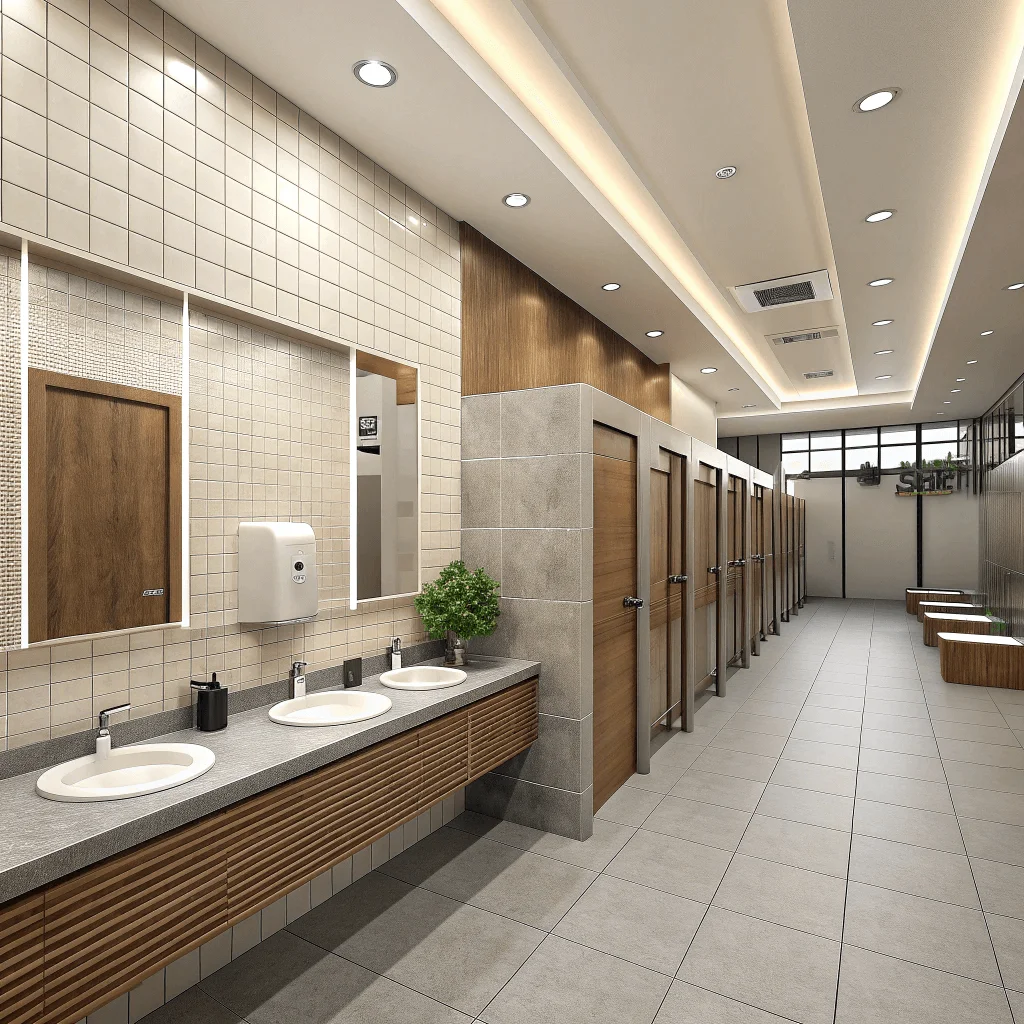
We often talk about the soul of a home or the energy of a bustling cafe, but we rarely stop to consider the quiet architecture of the spaces that serve our most basic needs. In the world of design, the public restroom is frequently treated as a purely utilitarian necessity, just a box to be checked off in a set of blueprints.
But have you ever noticed how much your mood shifts based on the quality of a public space? Honestly, it’s instant. One minute, you’re in a high-end lobby, and the next, you step into a facility that feels like an afterthought. It’s jarring.
For anyone who’s ever felt the immediate relief of a clean, well-ventilated, and private facility, it’s clear that these spaces carry significant psychological weight. Designing a public area that feels safe and dignified is an act of hospitality that resonates far more deeply than we might realize.
When we enter a public building, whether it’s a boutique hotel, a local library, or a modern office, we’re constantly absorbing sensory data. We notice the scent of the air, the brightness of the lights, and the way sound bounces off the walls. If the most private area of that building feels neglected, it immediately erodes our trust in the entire establishment. You know that feeling when you want to get in and out as fast as possible? That’s a design failure.
A restroom that feels exposed or flimsy creates a sense of vulnerability that lingers long after we leave. This is why the structural integrity of a space is just as important as the color of the walls.
True comfort in these environments comes from a sense of permanence and quality. It isn’t just about the visual appeal, though that certainly matters. It’s about the way a door closes with a solid thud, the lack of gaps in a partition, and the durability of the materials underfoot.
Details are the difference between “getting by” and “feeling welcomed.”
For business owners and architects, navigating the various layout and hardware options can be complex. It’s one of those things you don’t think about until you’re the one making the decisions.
Understanding the differences between various bathroom stall manufacturers is a vital part of the planning process. Choosing the right partner ensures that the materials won’t only withstand high traffic but also maintain the visual standards required for a high-end environment. You want things to feel intentional, not just functional.
But is a beautiful room enough if it isn’t functional for everyone? Maybe not.
The concept of universal design is central to creating a space that feels welcoming to everyone. It’s about more than just following a set of regulations. It’s about empathy. It’s about considering the parent who needs a bit more room to navigate with a child, or the individual who requires extra support to feel secure.
So, when we design for the most vulnerable among us, we end up creating a better experience for everyone. Wider paths, hands-free technology, and thoughtful placement of accessories all contribute to a flow that feels intuitive rather than obstacles to be overcome.
Lighting also plays a massive role in the psychology of these spaces. All too often, public facilities are lit with harsh, cold overhead lights that can feel clinical and off-putting. You know, that buzzing fluorescent hum that makes everyone look a bit washed out. By introducing warmer tones and indirect lighting, designers can create a sense of calm.
Acoustics are frequently the “forgotten” element of design. In a shared space, the ability to feel heard only when you want to be is a luxury. Strategic use of sound-absorbing materials can prevent the echo and hollow feeling that characterize many older public restrooms. When we feel that our privacy is acoustically protected, we feel more at ease.
We all need a moment of mental reset in the middle of a busy day, don’t we?
Ultimately, the goal of any shared space should be to make people feel seen and respected.
When we put effort into areas often overlooked, we’re sending a powerful message about the value we place on human dignity. It’s a reminder that even in our most mundane moments, we deserve to be in environments that are thoughtful, safe, and beautiful. It’s about making the world a little more human.