
 By admin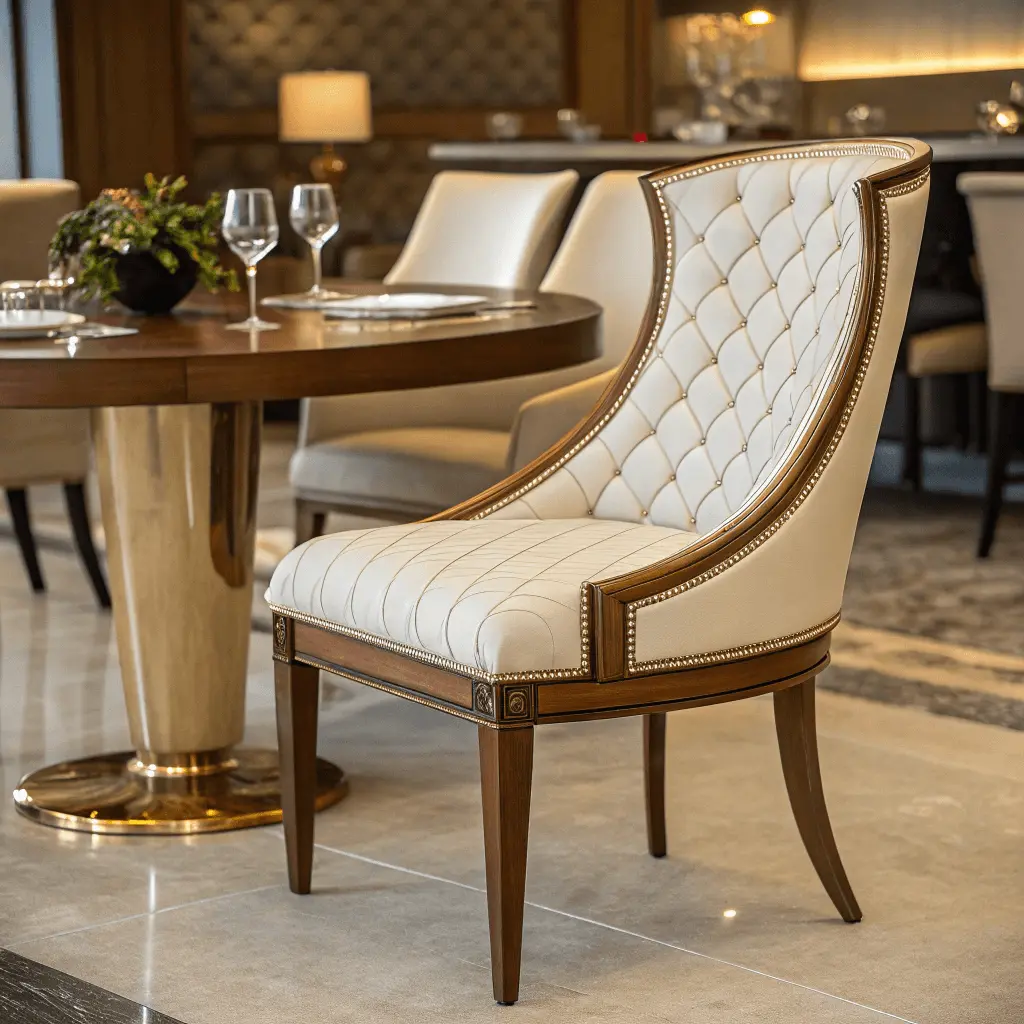
Step into a five-star hotel lobby in 2026 and notice what catches your eye. It is not always the chandelier. It is not even the marble flooring. Often, it is the seating. The curve of a chair back. The texture of the upholstery. The way a dining chair feels the moment you sit down.
Luxury hospitality has changed. Guests no longer measure quality by size alone. They measure it by comfort, detail, and how a space makes them feel. That shift is one reason high-end hospitality brands are investing more in restaurant chairs than ever before.
Across the United States, the hospitality industry generates more than 1 trillion dollars annually. Competition is fierce. In a world where guests post every meal and every stay online, seating has become part of the brand story.
The Experience Economy Starts With a Seat
Dining out is no longer just about food. It is about atmosphere, comfort, and memory.
Surveys consistently show that over 70 percent of diners say comfort influences whether they return to a restaurant. That statistic alone explains why chairs are no longer treated as background furniture. They are central to the experience.
Imagine spending two hours at a tasting menu. If the chair feels stiff or unstable, the entire meal suffers. On the other hand, a well-designed chair with proper lumbar support and balanced seat depth encourages guests to relax. When people feel comfortable, they stay longer. When they stay longer, average check sizes increase.
Luxury hotel groups understand this connection. They see restaurant chairs as tools that support:
- Guest satisfaction and longer dwell time
- Higher beverage and dessert sales
- Stronger online reviews and social media photos
The chair is no longer just a seat. It is part of revenue strategy.
Design Is Now a Branding Tool
If you scroll through Instagram or TikTok, you’ll see something unusual. More often than plates, chairs show up in pictures.
Seating, such as curved velvet dining chairs and sculptural wood frames, gives a restaurant its visual identity. Visual language is very important in high-end hospitality. Brands spend significant money on lighting and architecture. Now, chairs get the same amount of attention.
Custom upholstery, rich fabrics, and precise stitching all say that something is special. Craftsmanship is evident in solid-wood frames made of walnut or white oak. Even metal details can give a place a trendy, boutique look.
To ensure no two competitors appear identical, several hospitality brands use companies to create bespoke seating lines. The chair silently represents the brand’s identity.
Is the room big and dramatic? Gentle and romantic. Simple and modern. The chair answers that question before the menu does.
Comfort Is Becoming Non-Negotiable
Here is something guests rarely say out loud. They remember discomfort.
Data from hotel guest feedback platforms reveals that seating comfort frequently appears in both positive and negative reviews. As expectations rise, tolerance for poorly designed seating drops.
Modern hospitality chairs now focus on ergonomics. Designers pay close attention to:
- Seat height, typically around 18 inches for dining comfort
- Proper back angle to support longer meals
- High-density foam that maintains shape over years of use
High-end brands recognize that replacing chairs annually due to sagging cushions or cracked frames is costly. Investing upfront in durable materials reduces long-term expenses and protects brand image.
The result is seating that feels residential in comfort but commercial in durability.
Social Media Has Raised the Stakes
There was a time when only the chef’s plating needed to look good. That time has passed.
In 2026, more than 80 percent of travelers report checking social media before booking a restaurant or hotel. Every detail becomes part of the visual narrative. A beautiful chair with textured upholstery or a unique silhouette becomes a photo opportunity.
High-end hospitality brands now design seating with photography in mind. Curved backs frame guests in portraits. Rich fabrics reflect light beautifully. Unique colors create contrast against neutral interiors.
When a guest posts a photo, the chair travels with it. It becomes free advertising. Over time, signature seating can become iconic, just like a logo.
Durability Meets Luxury
There is a misconception that luxury equals fragility. In hospitality, the opposite must be true.
A busy hotel restaurant may serve hundreds of guests per day. Chairs are pulled, stacked, cleaned, and moved constantly. That level of activity requires commercial-grade construction. High-end brands are increasingly choosing:
- Kiln-dried hardwood frames
- Reinforced joints and corner blocks
- Performance fabrics resistant to stains and wear
Although these chairs cost more upfront, the return on investment is clear. Fewer replacements. Lower maintenance costs. A consistent look year after year.
In a competitive market, reliability protects reputation.
Sustainability Is Influencing Seating Choices
Guests are paying attention to sourcing and environmental impact. Luxury hospitality brands are responding.
The global sustainable furniture market continues to grow, with more hotels selecting responsibly sourced wood and low-emission finishes. Eco-friendly upholstery options are expanding as well.
Choosing sustainable restaurant chairs signals long-term thinking. It tells guests that the brand cares about more than appearance. It cares about impact.
For high-end hospitality, that message aligns perfectly with modern values.
The Emotional Power of Sitting Well
There is something deeply human about gathering around a table.
Think about a celebratory dinner. A business deal. A quiet anniversary meal. The chair supports all of it. When seating feels stable and welcoming, it encourages conversation. It invites people to linger.
High-end hospitality brands understand that emotional comfort is just as important as physical comfort. A beautifully crafted chair adds subtle reassurance. It tells guests they are valued.
In a market where differentiation is difficult, small details make a lasting impression.
A Seat at the Center of Strategy
Restaurant chairs have quietly moved from background fixture to strategic investment.
Luxury brands now see them as revenue drivers, branding tools, and experience enhancers. They understand that comfort increases dwell time. That design shapes perception. That durability protects profits.
Most importantly, they recognize that guests notice everything.
The next time you dine in a high-end hotel restaurant, pause before the first bite. Feel the chair. Notice the craftsmanship. Consider how it supports the atmosphere.
In modern hospitality, the chair is no longer an afterthought. It is a statement. And for brands competing at the highest level, that statement is worth every dollar invested.