
 By admin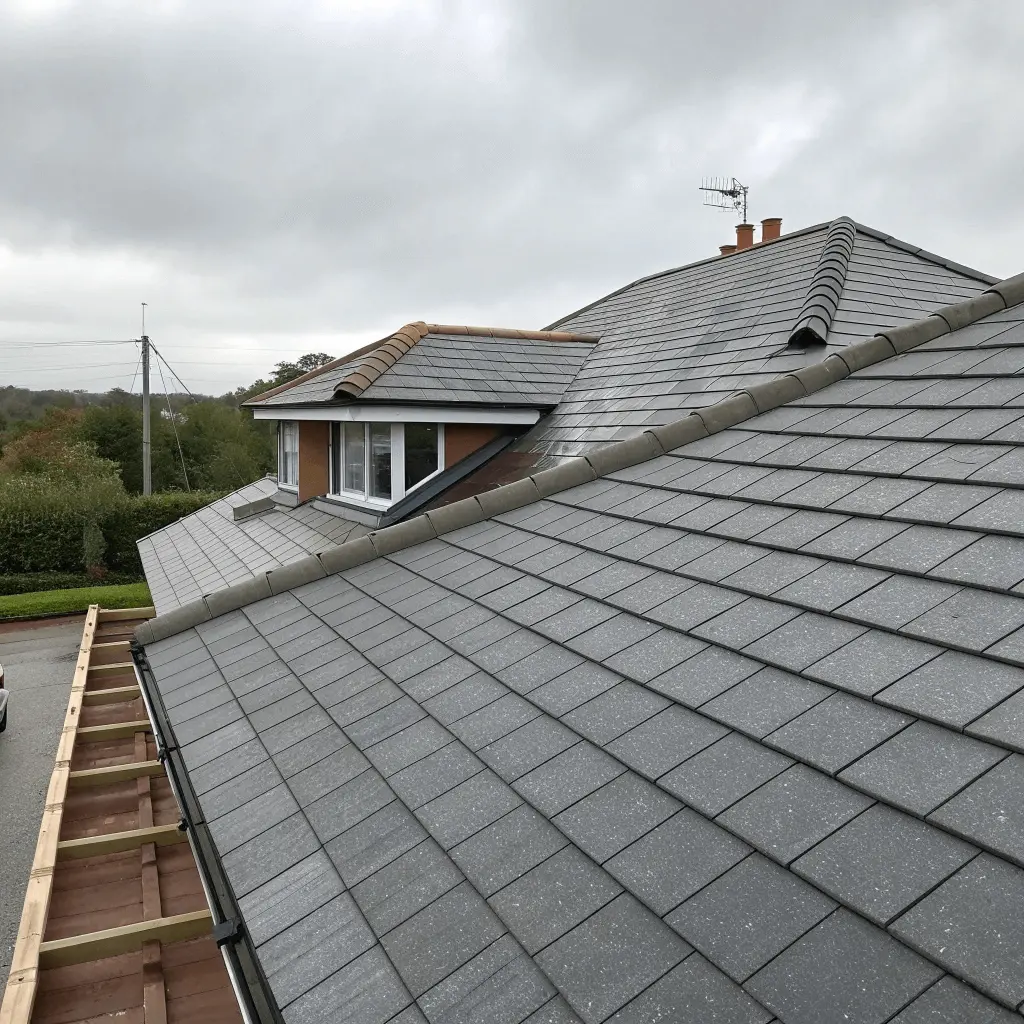
Making informed roofing decisions starts with understanding the fundamentals. Whether you are planning routine maintenance, evaluating repairs, or considering a full roof replacement, having accurate information helps protect your investment. This guide outlines ten essential roofing insights designed to help homeowners select suitable materials, maintain their roofs effectively, and avoid unnecessary costs. From traditional asphalt shingles to metal and flat roofing systems, understanding how roofs function can prevent premature replacements and long-term damage.
An Overview of Key Roofing Insights
Exploring important roofing facts reveals how materials, airflow, insulation, and upkeep all work together to ensure long-lasting performance. Roofing is not just about shingles—it is a complete system that includes the roof deck, underlayment, flashing, and ventilation. Experienced roofing professionals evaluate how these elements interact to create a durable structure. Learning these essentials allows homeowners to confidently plan repairs, replacements, and ongoing care.
Understanding Roofing Basics
Residential roofs function as integrated systems rather than single components. Each part plays a role in managing moisture, temperature, and weather exposure. Asphalt shingles are popular due to their cost-effectiveness, while metal roofs are valued for longevity and energy efficiency. Flat roofs, although practical for space utilization, require specialized drainage solutions. To ensure your entire roof system is correctly assessed and installed, homeowners in the High Point area can rely on a trusted professional, like Xterior LLC Roofing High Point NC. Knowing how an existing roof ages and when repair suffices prevents unnecessary new roof costs.
Why Roofing Knowledge Matters for Homeowners
A roof serves as the home’s primary defense against rain, wind, and heat. Proper installation, ventilation, and insulation significantly impact energy efficiency and durability. Roofing professionals assess maintenance needs, warranty coverage, and cleaning schedules to keep roofs performing optimally. Because roofing work involves safety risks and technical skill, relying on professionals rather than attempting complex DIY projects is often the best choice.
Ten Important Roofing Facts Every Homeowner Should Know
These ten insights provide practical guidance for homeowners. They explain how long different roofing materials last, why regular cleaning is essential, and how professionals determine whether repairs or replacements are necessary. Understanding how roofing choices affect energy efficiency, warranties, and environmental impact helps homeowners make smarter, long-term decisions.
Fact 1: Roof Lifespan Depends on Material and Care
The longevity of a roof varies by material, climate, and installation quality. Proper maintenance and ventilation significantly extend service life.
| Roofing Material | Average Lifespan |
|---|---|
| Asphalt shingles | 15–30 years, longer with premium products and proper care |
| Metal roofing | 40–50+ years |
| Flat roof systems | Varies depending on membrane type and installation |
Fact 2: Routine Roof Cleaning Extends Longevity
Removing debris, algae, and moss prevents moisture buildup that can damage roofing materials. Clean surfaces shed water more efficiently and protect the roof deck underneath. Incorrect cleaning methods can void warranties, so professional maintenance is recommended to preserve roof performance and drainage systems.
Fact 3: Common Roofing Misconceptions Explained
Many homeowners are misled by roofing myths. Understanding the truth helps prevent costly mistakes:
- Not all shingle roofs last equally—installation and ventilation matter.
- A new roof alone does not guarantee lower energy bills; insulation and air sealing are also critical.
- DIY roofing often leads to errors that cause leaks or invalidate warranties.
- Repairs can be more cost-effective than replacement when damage is localized.
Comparing Roofing Types and Their Advantages
Choosing the right roofing material influences durability, energy efficiency, and maintenance needs. Homeowners should compare options such as asphalt shingles, metal roofing, and flat systems based on climate, budget, and roof design. Professional guidance ensures the selected system meets both structural and performance requirements.
Metal Roofing: Strength and Efficiency
Metal roofs are known for their exceptional durability and resistance to weather, fire, and moisture. Reflective coatings enhance energy efficiency, and strong warranties add value. Although initial costs are higher, reduced maintenance and long service life often make metal roofing a cost-effective long-term choice.
Asphalt Shingles: A Trusted Residential Option
Asphalt shingles remain popular due to affordability, versatility, and ease of installation. When combined with proper ventilation and insulation, they provide reliable protection. Professional installation ensures flashing and underlayment are properly integrated, minimizing leaks and repair needs.
Flat Roofing Systems: Benefits and Challenges
Flat roofs offer usable space for solar panels or green roofing solutions, making them environmentally friendly. However, precise drainage design is essential to prevent standing water. With the right membrane, insulation, and consistent maintenance, flat roofs can perform reliably for many years.
Roof Maintenance and Timely Repairs
Regular inspections, cleaning, and minor repairs help prevent small issues from escalating into major problems. Seasonal evaluations of flashing, ventilation, and the roof deck protect against leaks and structural damage. Proactive maintenance can significantly delay the need for full roof replacement.
DIY Repairs: Knowing the Limits
Minor tasks such as clearing debris or securing loose shingles may be safe for homeowners if manufacturer guidelines allow. However, improper materials or techniques can void warranties and cause further damage. Structural issues or widespread wear should always be handled by professionals.
Professional Repairs vs. DIY Approaches
Roofing professionals provide accurate diagnostics, safe access, and appropriate materials. They assess insulation, ventilation, and structural integrity to ensure repairs support the entire roofing system. While DIY may appear economical, mistakes often result in higher long-term costs.
Indicators That a Roof Replacement Is Needed
Signs such as persistent leaks, sagging, extensive shingle loss, or severe corrosion indicate that replacement may be necessary. When repair costs outweigh benefits or the roof nears the end of its lifespan, investing in a new roof is often the most practical solution.
Roof Replacement and Warranty Considerations
Before replacing a roof, homeowners should obtain a professional evaluation to assess ventilation, insulation, and material options. Understanding warranty terms, expected lifespan, and maintenance requirements ensures long-term value and protection.
Evaluating Roof Replacement Options
When comparing materials, consider cost, durability, energy performance, and installation methods. Asphalt shingles offer affordability, metal roofing provides longevity, and flat roofs support modern applications like green roofing. Each system manages water and airflow differently, making professional advice essential.
Understanding Roofing Warranties
Roof warranties typically include manufacturer coverage for materials and workmanship guarantees from the installer.
| Warranty Component | Description |
|---|---|
| Material coverage | Protection against manufacturing defects |
| Workmanship | Installation quality guaranteed by the contractor |
| Exclusions | Improper maintenance, DIY work, or ventilation issues |
| Additional terms | Transferability and maintenance documentation requirements |
Installing Over an Existing Roof: Is It Worth It?
Overlaying new shingles on an existing roof can reduce labor costs, but it may conceal structural issues and affect ventilation. While it may offer short-term savings, a full replacement allows for deck repairs, insulation upgrades, and improved warranties.
Conclusion: Using Roofing Knowledge to Protect Your Home
Understanding essential roofing principles empowers homeowners to make confident decisions about maintenance, repairs, and replacements. By evaluating materials, warranties, and system design, homeowners can align roofing choices with budget and performance goals. Professional guidance ensures proper installation and long-term reliability.
How a Well-Designed Roof Safeguards Your Home
An effective roofing system manages water, heat, and airflow while supporting insulation efficiency. Adequate ventilation prevents moisture buildup, while regular maintenance stops minor issues from becoming major failures. Modern roofing materials can also reduce energy costs and support sustainable living.
Final Thoughts: Separating Roofing Facts from Fiction
Most roofing surprises stem from misunderstandings about materials, installation, and maintenance. Quality workmanship, appropriate materials, and regular care make the greatest difference. Not every issue requires replacement, and not every roofing type performs the same in all environments. With accurate knowledge and professional support, homeowners can keep their roofs dependable for decades.