
 By admin
As businesses strive for efficiency and cost-effectiveness, wholesale distribution solutions have emerged as key players in the battle to save money. The right kind of distribution strategy can streamline operations, reduce waste, and drastically cut costs. By leveraging advanced technologies and bulk purchasing, companies can ensure a steady supply chain while maintaining tight control over their expenditures. Keep reading to discover the wide-reaching benefits of wholesale distribution solutions and how they can transform your business’s bottom line.
Understanding Wholesale Distribution Solutions and Their Role in Business Cost Efficiency
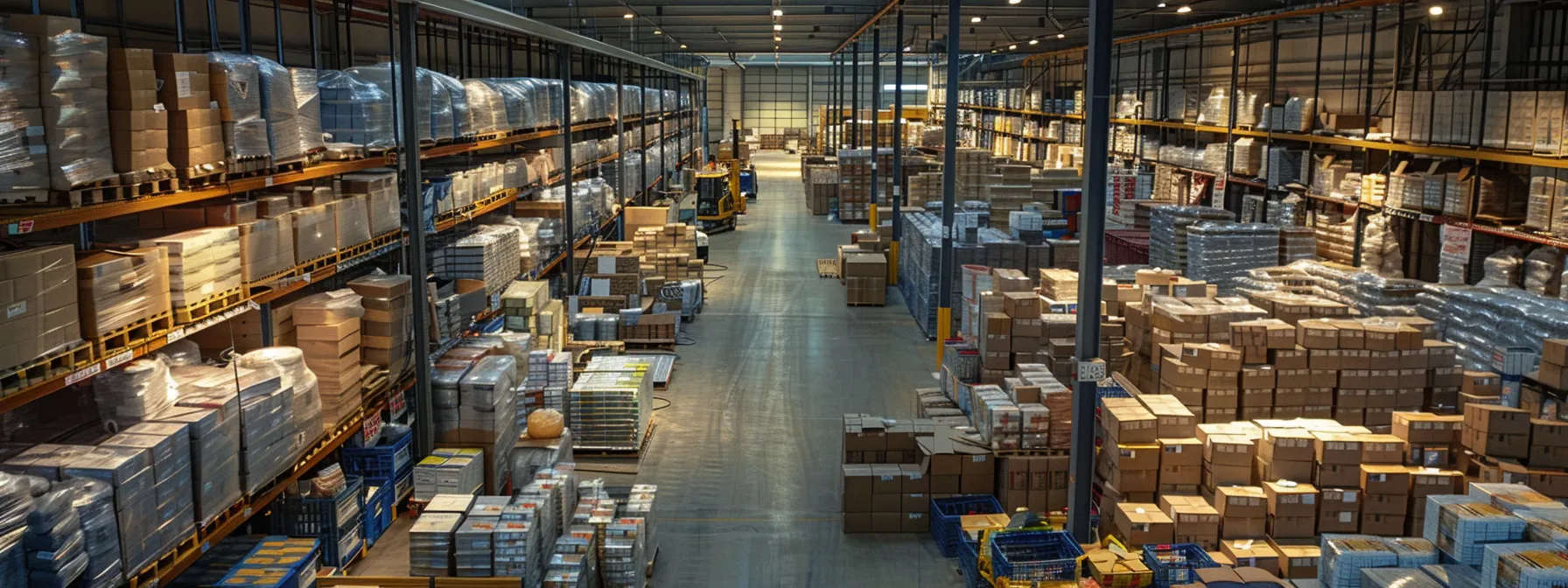
Wholesale distribution focuses on selling and moving goods in bulk from manufacturers to retailers, enabling economies of scale and lower unit costs. Implementing effective distribution solutions helps businesses manage resources efficiently, reduce expenses, and make informed purchasing decisions. Advanced software provides real-time inventory tracking, shipment monitoring, and demand forecasting, minimizing stockouts and excess inventory.
Distributors serve as a vital link in the supply chain, connecting manufacturers with retailers and ensuring a smooth flow of goods. Efficient distribution accelerates stock turnover, lowers holding costs, and reduces the need for extensive storage, which is especially important for perishable products or items with short shelf lives, such as food or fashion items.
Streamlining Inventory Management with Advanced Distribution Software
Modern distribution software transforms inventory management by offering automated reordering, demand forecasting, and real-time stock monitoring, helping businesses balance stock levels and reduce logistics costs. Algorithm-driven insights enable accurate decision-making, allowing companies to anticipate trends and adjust for seasonal fluctuations, minimizing wasteful spending and optimizing purchasing patterns. Integration across sales, ordering, and inventory systems enhances communication between departments, reducing errors and boosting efficiency.
Advanced reporting features provide data on slow-moving items, losses, and customer buying behavior, supporting smarter product placement and marketing strategies. These capabilities allow businesses to manage inventory proactively, streamline operations, and make informed, data-driven distribution decisions.
Leveraging Bulk Purchasing for Reduced Costs and Improved Supplier Relationships

Bulk purchasing in wholesale distribution enables businesses to achieve significant cost savings by securing lower prices per unit and reducing transportation expenses through fewer deliveries. Committing to larger orders often strengthens supplier relationships, resulting in exclusive deals, priority service, and flexible terms that provide long-term financial benefits and stability during market fluctuations.
Effective bulk purchasing requires careful demand forecasting to avoid overstocking, which can tie up cash in unsold inventory. Companies that manage this strategy well can optimize inventory rotations and warehouse space, minimizing storage costs and reducing waste from damaged or obsolete products. Precise purchasing supports efficient storage and aligns with just-in-time delivery practices.
The Impact of Integrated Distribution Systems on Transportation and Logistics Savings
Transportation and logistics account for a significant portion of product costs, and integrated distribution systems help companies streamline these operations. By automating logistics, optimizing routes, consolidating shipments, and improving warehouse efficiency, businesses can lower fuel expenses and maximize manpower. These systems also offer real-time visibility and control, allowing shipments to be tracked and rerouted as needed, enhancing responsiveness to market changes and customer demands.
Optimized distribution reduces trips and transportation loads, decreasing the environmental impact and supporting sustainable practices. Savings generated through efficient logistics can be reinvested into the business or passed to customers, contributing to cost efficiency and operational improvement.
Overall, the advantages of implementing wholesale distribution solutions can be vast, affecting nearly every aspect of a business’s operations. Whether through enhanced inventory management, strategic bulk purchasing, or optimized logistics, these systems prove to be invaluable in driving down costs and improving overall financial health. As market conditions continue to evolve, the integration of such distribution solutions will become even more essential for businesses seeking to maintain competitive edges and achieve prosperous futures.