
 By admin
The rise of active video games has introduced a fascinating question: can gaming provide the same physical and mental benefits as traditional sports? With motion-controlled consoles, virtual reality systems, and fitness-oriented games, players can now engage in dynamic physical activity while immersed in a digital world. These games blur the line between exercise and entertainment, making movement an enjoyable and motivating part of gameplay. While traditional sports remain valuable for social interaction and competition, active games present a compelling alternative, especially for those who may struggle to find time or access to sports facilities. As technology continues to advance, the possibilities for active gaming are expanding, offering a unique fusion of fitness, fun, and accessibility that appeals to diverse audiences.
The evolution of active games
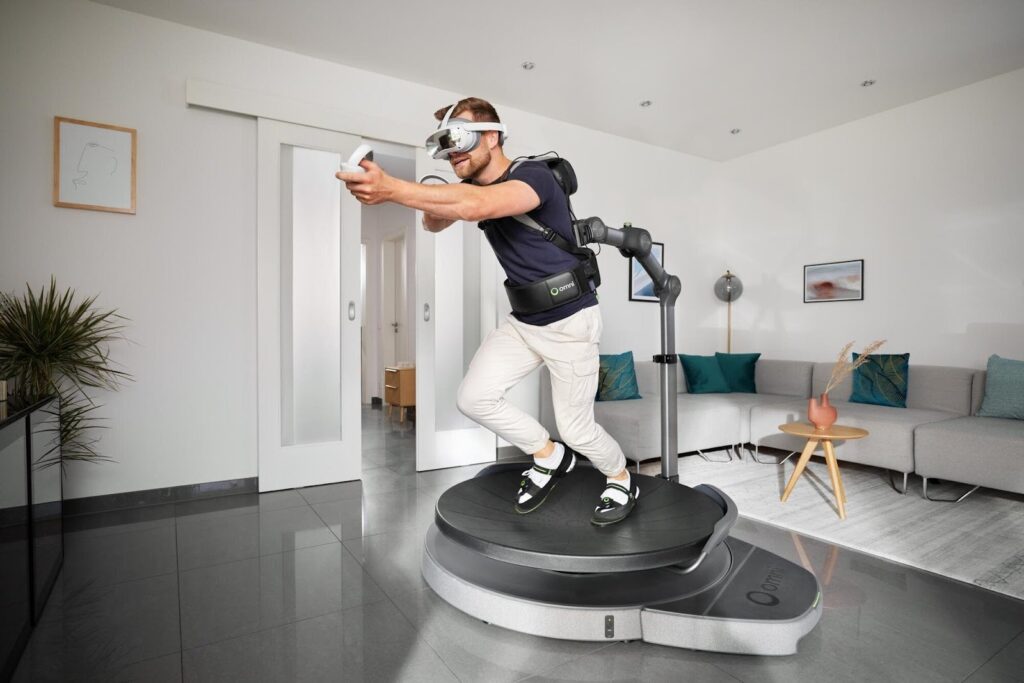
Active games have evolved significantly over the last decade, shifting from simple motion-sensing mechanics to fully immersive experiences that track movement, heart rate, and body coordination. Early examples included balance boards and handheld motion controllers, which offered limited movement but sparked the potential for physical engagement through gaming. Today, VR systems, camera-based motion sensors, and wearable devices create realistic scenarios where players can perform exercises, dance routines, and even simulated sports activities. This evolution demonstrates that active games are no longer just a novelty—they have become a legitimate way to combine fun with physical activity, attracting gamers who seek both enjoyment and health benefits.
These games also incorporate elements of motivation and feedback similar to traditional sports. Leaderboards, performance tracking, and reward systems encourage players to set goals, improve performance, and compete with friends, fostering a sense of accomplishment. The integration of gamified exercise techniques makes active games appealing for long-term engagement, ensuring that players remain motivated to move and stay active. As a result, these games have gained popularity not only among casual gamers but also among fitness enthusiasts and wellness communities seeking innovative ways to exercise.
Physical and mental benefits

Active gaming offers multiple physical and mental benefits that mirror traditional sports, including improved cardiovascular health, flexibility, coordination, and reflexes. Many active games require sustained movement, balance, and strength, helping players burn calories and increase overall fitness levels. Unlike passive gaming, these titles encourage players to adopt a healthy lifestyle while having fun, making physical activity feel like a natural part of the gaming experience. Additionally, active gaming can serve as a low-impact alternative for individuals who may have limitations preventing them from participating in conventional sports, ensuring inclusivity and accessibility.
Beyond physical benefits, active games positively impact mental health and cognitive abilities. Engaging in interactive, movement-based games enhances concentration, reaction time, spatial awareness, and decision-making skills. Games that combine problem-solving with physical activity stimulate multiple areas of the brain simultaneously, promoting neuroplasticity and overall mental agility. Social elements, such as cooperative play or competitive challenges, provide emotional satisfaction and reduce stress, offering holistic benefits that mirror many aspects of traditional team sports.
By following events in esports, such as the cs 2 major, players can also experience mental engagement similar to strategic sports analysis. Observing professional gameplay exposes players to tactical thinking, team coordination, and adaptive strategies, offering inspiration for their own active gaming sessions while maintaining a relaxed and educational experience.
Integration with lifestyle and wellness
Active games are increasingly being incorporated into daily wellness routines. Fitness studios and home setups now integrate VR or motion-based gaming systems for full-body workouts, yoga sessions, and cardio challenges. This integration reflects the trend of “exergaming,” where exercise and gaming converge to create engaging, enjoyable, and effective fitness experiences. The flexibility of active games allows players to choose duration, intensity, and type of movement according to personal preferences, making it easier to incorporate physical activity into busy schedules.
Moreover, active gaming promotes consistency and motivation by combining entertainment with exercise. Unlike traditional workouts that some may find repetitive or monotonous, these games offer variety, challenge, and narrative engagement. Whether dancing to upbeat music, simulating sports, or exploring virtual worlds through movement, players are encouraged to remain active while enjoying themselves. This convergence of gaming and wellness makes active games a viable complement—or even an alternative—to conventional sports for those seeking fun, accessible, and personalized exercise options.
Limitations and considerations
Despite the many benefits, active games cannot fully replace traditional sports in every context. Sports provide social interaction, teamwork, and competitive environments that are difficult to replicate fully in a virtual space. Physical contact, outdoor environments, and team-based dynamics offer experiences that active games can simulate but not entirely replace. Additionally, not all active games deliver the same intensity or duration of exercise required for optimal fitness, so players must choose titles carefully and balance gameplay with other forms of physical activity.
Safety is another consideration. VR or motion-based gaming requires adequate space and attention to prevent injuries, particularly when performing rapid or complex movements. Long sessions may lead to strain if players do not maintain proper form or rest appropriately. Therefore, while active games are an exciting trend in fitness and recreation, they are best seen as a complementary tool rather than a complete replacement for traditional sports, enhancing accessibility and variety rather than fully substituting real-world physical activities.
Conclusion
Active games represent an innovative and growing trend, offering physical exercise, mental stimulation, and entertainment within the comfort of a home environment. With motion controls, VR experiences, and gamified fitness routines, players can engage in dynamic activity while enjoying immersive gameplay, blending fun and wellness seamlessly. Observing professional competitions like the cs 2 major enhances strategic thinking and inspires players to improve their own skills in a low-pressure setting.
While traditional sports continue to provide unique social and physical experiences, active games present a complementary alternative for those seeking accessible, flexible, and enjoyable ways to remain active. As technology advances and game developers continue to create more engaging and realistic experiences, active gaming is likely to become a staple of modern fitness and recreation, bridging the gap between digital entertainment and real-world physical benefits. For many players, this trend transforms gaming from a sedentary pastime into an interactive, health-promoting activity, establishing a new standard for combining leisure, exercise, and engagement.