
 By admin
Deciding between tackling a plumbing issue yourself or calling a professional can weigh heavily on homeowners. This decision often hinges on assessing the severity of the issue, potential cost savings, and the perceived simplicity of the job. Knowing when to pick up a wrench and when to pick up the phone can save time, money, and prevent unnecessary headaches.
Navigating the realm of home plumbing repairs involves analyzing several key decision factors. Below, we compare the considerations of DIY plumbing against hiring a professional plumber, helping you make an informed choice for your next plumbing conundrum.
Assessing the Complexity of Plumbing Jobs for DIY
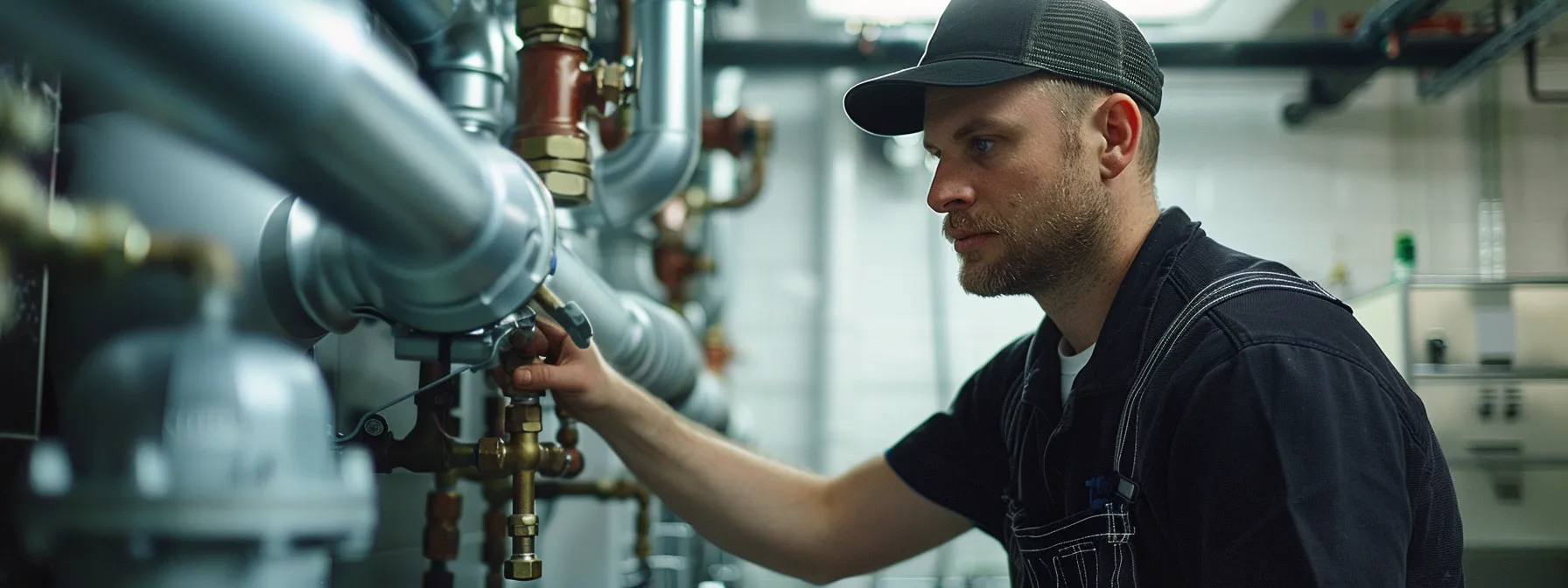
The first step in your plumbing decision is understanding the complexity of the task at hand. Simple tasks like replacing a showerhead can typically be managed by a DIY enthusiast with basic tools and online tutorials. While these projects might be time-consuming for beginners, they generally don’t require specialized knowledge.
However, when plumbing issues go beyond surface-level fixes, such as dealing with internal pipes or respecting local building codes, the need for a professional becomes apparent. Plumbers possess the expertise and tools to diagnose issues that aren’t immediately visible, such as pipe blockages or leaks behind walls.
Before starting a DIY plumbing job, it’s wise to research the problem. Consult general home repair guides or detailed plumbing resources to determine if the issue within your skillset. If you’re unsure, it’s best to err on the side of caution and contact a professional.
Cost Comparison: DIY Plumbing Versus Professional Services
Cost is often a deciding factor when choosing between DIY and professional plumbing. While DIY projects typically only require the expense of tools and materials, this investment can be deceptive. Many homeowners fail to account for the potential cost of mistakes, which can lead to more extensive—and expensive—repairs.
Professional plumbers, on the other hand, offer the benefit of experience and a guarantee of workmanship. The upfront cost of hiring a plumber includes both labor and materials, ensuring the job is done right the first time. This can save money in the long run by preventing future issues and avoiding emergency services, which come at a premium price.
When considering costs, include potential long-term expenses in your assessment. For intricate jobs with substantial risks, it might be economically wiser to hire a plumber. Nevertheless, for jobs that truly are within your capabilities, like a routine faucet installation, DIY might truly offer significant savings.
Evaluating the Risks and Safety Concerns in DIY Plumbing
Plumbing tasks can pose significant risks, especially for the inexperienced. From water damage caused by a burst pipe to potential mold growth from a slow leak, the ramifications of a poorly executed repair can be extensive. Additionally, there are safety concerns such as exposure to raw sewage or the risk of electrocution if water comes into contact with electrical systems.
Professional plumbers have the training to handle hazardous situations safely. They adhere to strict safety protocols to prevent accidents, and most are insured to cover damages if something goes wrong. This level of preparedness is seldom matched by a DIY approach, which could leave a homeowner liable for any inadvertent damages.
For those considering DIY plumbing, it’s essential to honestly evaluate your own skills and the safety measures required. Apparel like gloves and goggles may be necessary, and understanding how to shut off the main water supply can prevent a mishap from becoming a disaster. If ever in doubt, consulting a professional minimizes risks and grants peace of mind.
Legal and Warranty Implications: DIY Vs. Professional Plumbing

DIY plumbing work can be legally fraught and could potentially void warranties. Most locales have regulations that require certain plumbing work, such as altering the home’s mainline, to be completed by a licensed professional. Disregarding these regulations can lead to penalties or difficulties in future home sales.
Warranties on plumbing fixtures and home insurance policies often have stipulations regarding installation and repairs. Non-professional work may nullify these warranties, leaving homeowners without recourse if a product fails. This can convert a small saving into a costly oversight if a major component needs to be replaced.
Before engaging in any plumbing repair, verify the legal requirements in your area and review any relevant warranties or insurance policies. If you are not confident that your DIY efforts will comply with these conditions, hiring a licensed plumber may be the most prudent choice to maintain your home’s legal and financial integrity.
Ultimately, the decision between DIY plumbing and hiring a professional plumber hinges on a combination of factors: the complexity of the job, the potential cost implications, safety concerns, and legal requirements. By weighing each of these elements against your personal skills and resources, you can determine the best approach for your plumbing issues and ensure the longevity and legality of your home’s plumbing system.