
 By admin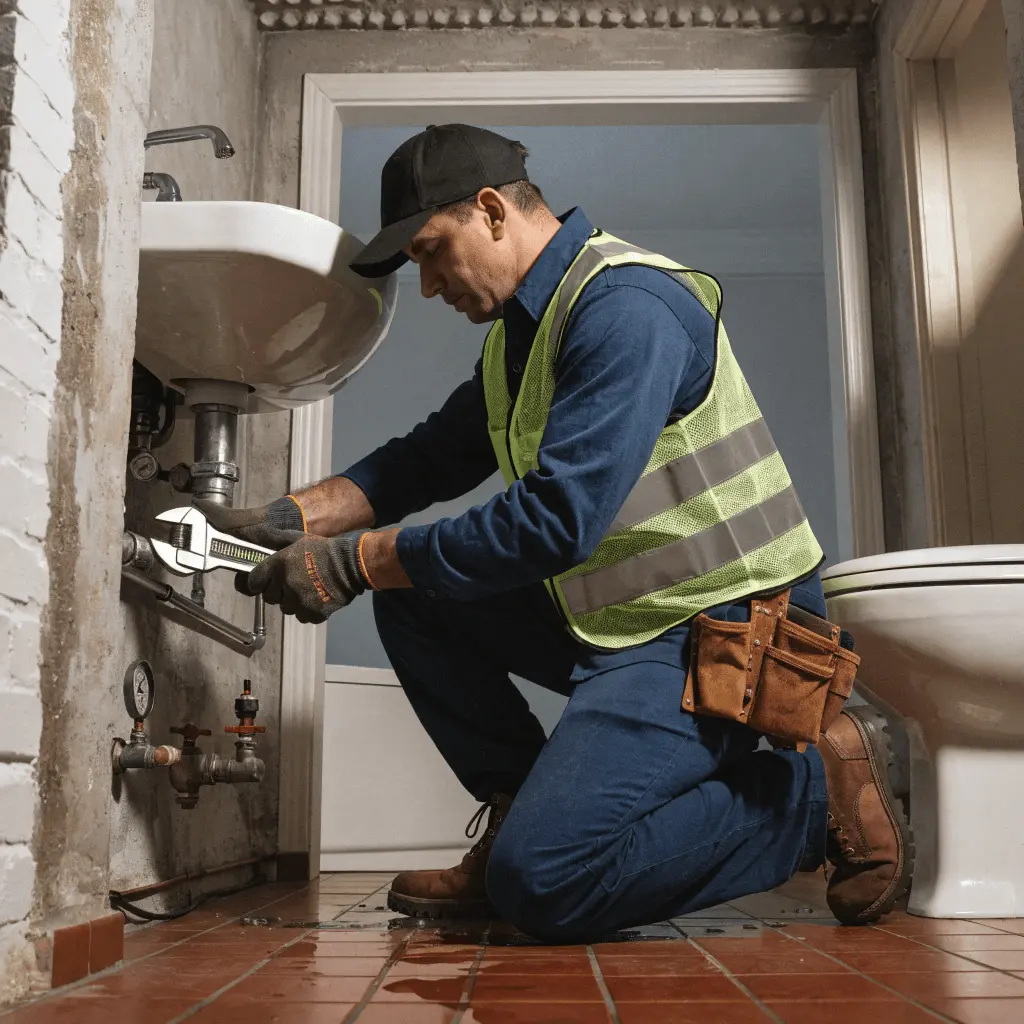
Leaks, rust, and inefficiencies in plumbing systems can lead to significant water wastage and increased utility bills. In the United States alone, household leaks can waste nearly 1 trillion gallons of water annually, according to the EPA. Regular maintenance can help prevent such issues, ensuring a home’s plumbing operates efficiently and conserves this vital resource.
Committing to routine plumbing checks not just preserves water, but also saves homeowners from costly repairs down the line. It ensures that every drop is optimally used, contributing to both environmental conservation and financial savings. Below, the benefits and methods of maintaining an efficient plumbing system are explored in detail.
Regular Plumbing Maintenance: Ensuring Efficient Water Usage
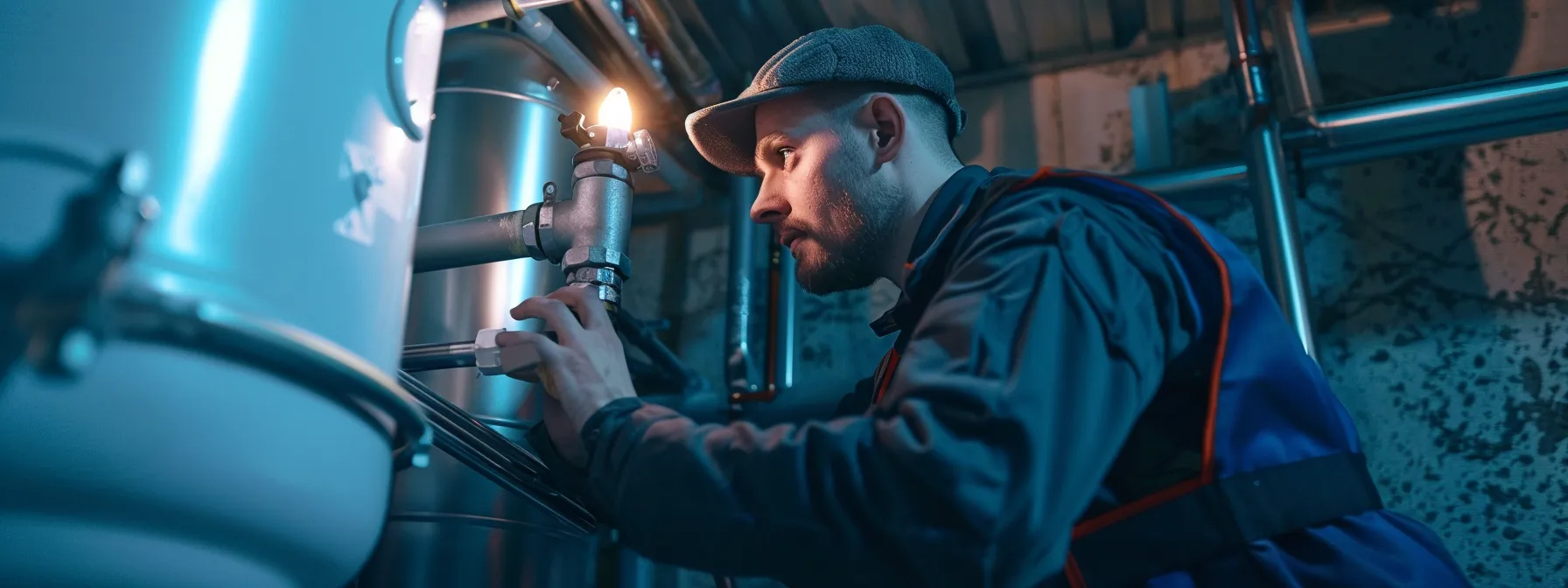
Maintaining a regular schedule for plumbing upkeep is critical for managing water consumption. A well-maintained system operates at its peak, reducing the chances of hidden leaks or other issues that can lead to wastage.
During maintenance, technicians can assess the condition of pipes, fittings, and water heaters to ensure they are functioning correctly. They can also flush systems to remove sediment buildup, which can affect water flow and heating efficiency. A trusted plumber can help with these tasks.
Homeowners can establish a checklist for routine checks or engage with professional services that offer annual or semi-annual maintenance plans. Investing in such plans can prevent small issues from becoming larger, more expensive problems.
Detecting Leaks Early to Conserve Water and Reduce Waste
One of the most significant benefits of regular plumbing maintenance is the early detection of leaks. Even minor leaks can waste large volumes of water over time, going unnoticed until they cause visible damage or a noticeable increase in water bills.
A dripping faucet alone can waste more than 3,000 gallons of water per year. By utilizing moisture sensors and conducting pressure tests, professionals can identify leaks that are not immediately apparent. This proactive approach allows for timely repairs and contributes to significant water savings.
For those looking to take control of their water usage, installing WaterSense labeled fixtures is a proactive move, and scheduling regular leak checks with a trusted professional can provide peace of mind and reduced water consumption.
The Role of Water Pressure Regulation in Water Conservation
Excessive water pressure in a plumbing system can lead to faster wear and tear of pipes and fixtures, potentially resulting in leaks and water waste. Regulating pressure is thus an essential aspect of conserving water.
By adjusting the pressure-reducing valve or installing one if absent, technicians ensure that the water pressure is kept within safe limits, typically around 60 to 80 psi. This simple step not only extends the life of the plumbing components but also prevents unnecessary water flow and waste.
Homeowners should request pressure readings during regular maintenance visits, and consider investing in a water pressure gauge. This tool helps monitor the pressure and alert to any deviations that could indicate underlying problems or inefficiencies.
Upgrading Fixtures and Appliances for Optimal Water Efficiency

During regular plumbing maintenance, an often-recommended strategy for enhancing water efficiency is replacing outdated fixtures and appliances with modern, water-conserving models. Over time, this leads to measurable savings in water usage.
For example, replacing an old toilet with a high-efficiency model can save nearly 13,000 gallons of water per household each year. Similarly, energy-efficient dishwashers and washing machines use less water and energy, reducing both water bills and environmental impact.
When opting for upgrades, homeowners should look for energy-efficient appliances marked by the EPA’s Energy Star and WaterSense labels. These serve as a benchmark for water efficiency, ensuring that the new installations contribute effectively to water conservation efforts.
In conclusion, regular plumbing maintenance plays a pivotal role in managing water usage efficiently. It not only assists in the early detection of leaks but also helps to maintain optimal water pressure and encourages the upgrade of fixtures and appliances to the latest water-efficient technologies. These combined efforts lead to reduced water waste, lower utility bills, and support for broader environmental conservation initiatives.